
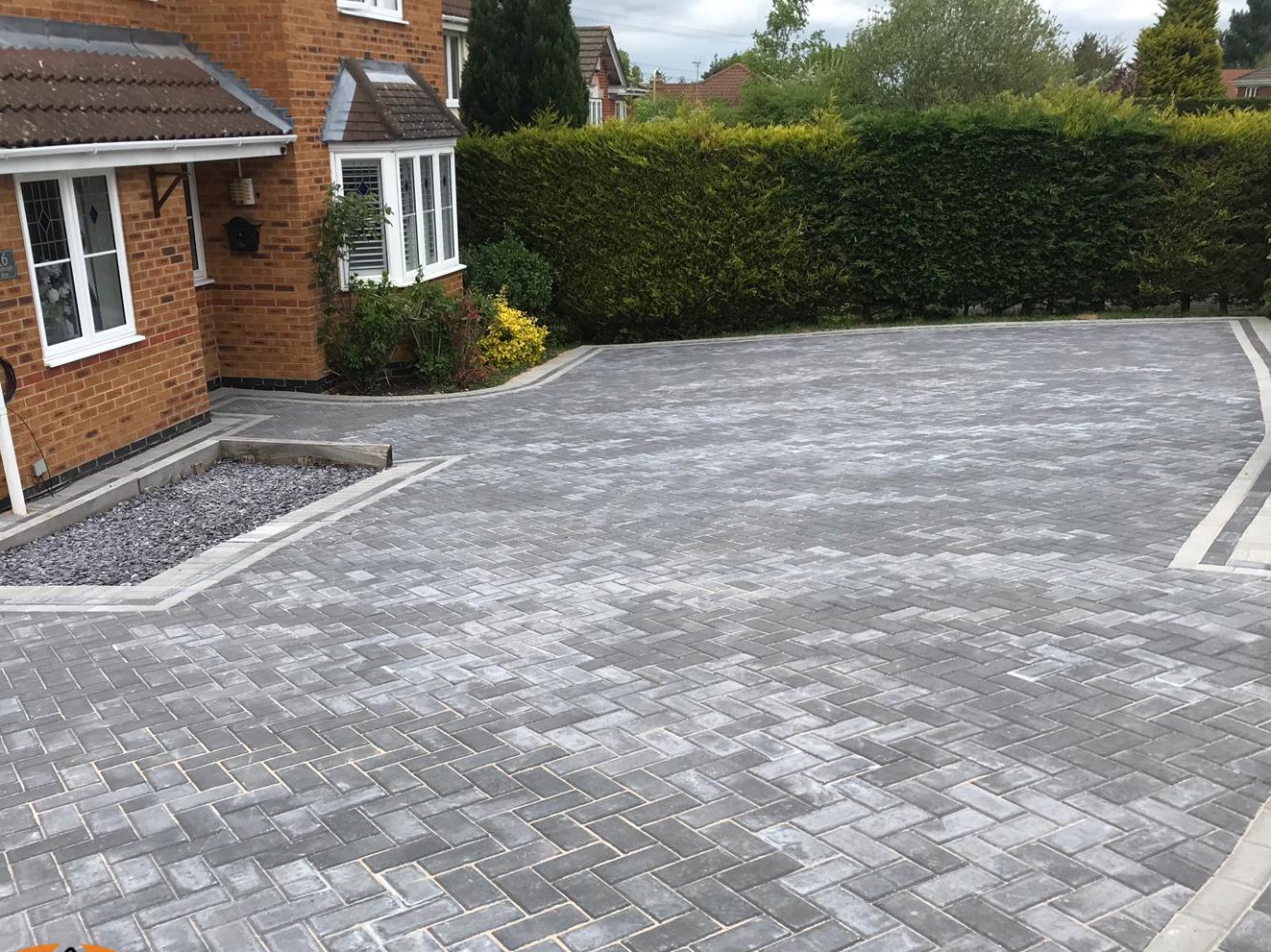
Devon’s increasing focus on sustainable drainage systems means many homeowners now need permeable block paving to meet planning requirements. Understanding how this technology works can save you costly mistakes and ensure compliance with local regulations.
Permeable block paving allows rainwater to drain through the surface rather than running off into already stretched drainage systems. This is particularly important in areas where heavy winter rainfall can overwhelm traditional drainage infrastructure. Professional installation and maintenance ensures optimal performance.
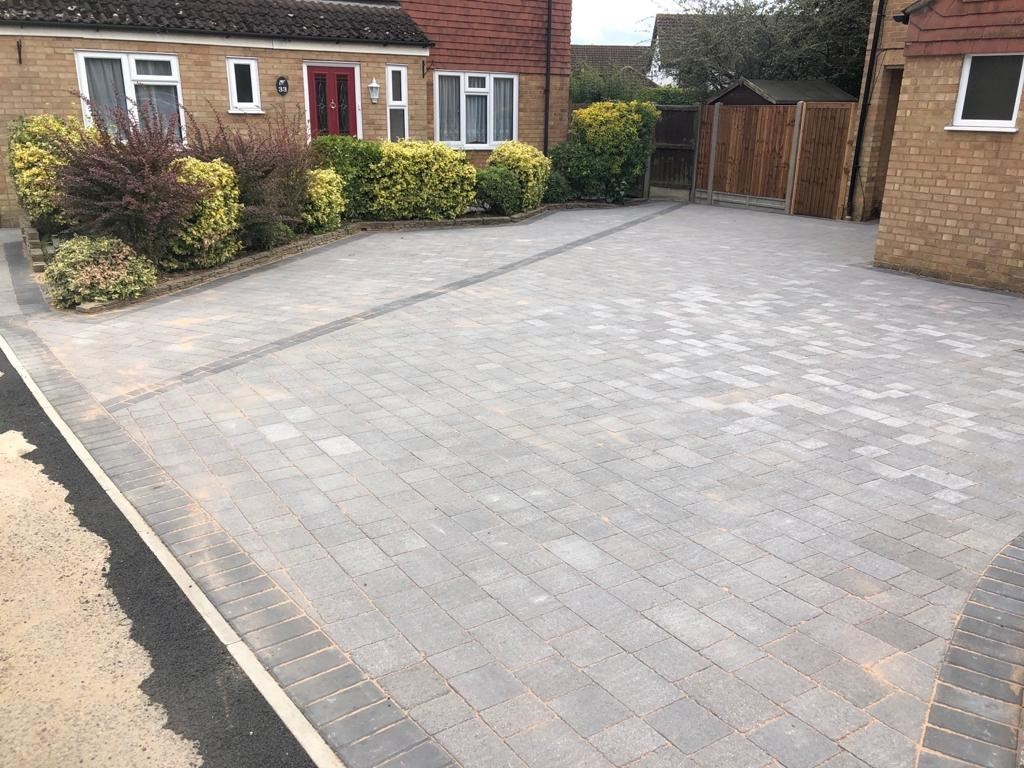
The system works through specially designed blocks with wider joints, combined with a carefully constructed sub-base of graded stone. Water filters down through these layers and either soaks into the ground or flows to designated drainage points.
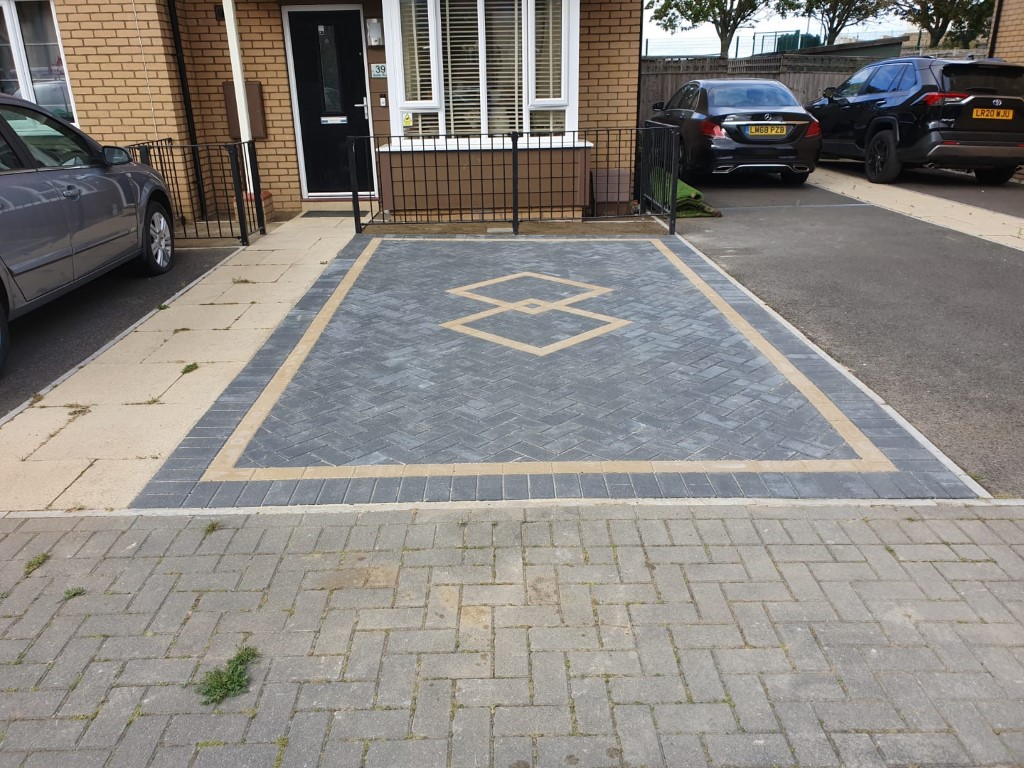
Key Requirements for Devon Properties
Devon County Council typically requires SuDS compliance for new driveways over 5 square metres. This applies to most residential projects, making permeable paving essential rather than optional for many homeowners.
The underlying geology matters significantly. Devon’s clay soils in some areas may require additional drainage measures, whilst areas with better drainage can rely on natural infiltration.
Construction Differences
Permeable block paving requires specific materials and techniques:
- Blocks with 6mm to 8mm joint spacing instead of standard 2mm to 3mm gaps
- Kiln dried sand mixed with cement for jointing material
- Sub-base depth typically 150mm to 300mm depending on soil conditions
- Geotextile membrane to prevent fine particles clogging the system
- Proper falls directing overflow to designated drainage points
The installation process takes longer than standard block paving because each layer must be carefully constructed to maintain permeability whilst providing structural strength for vehicle loads.