
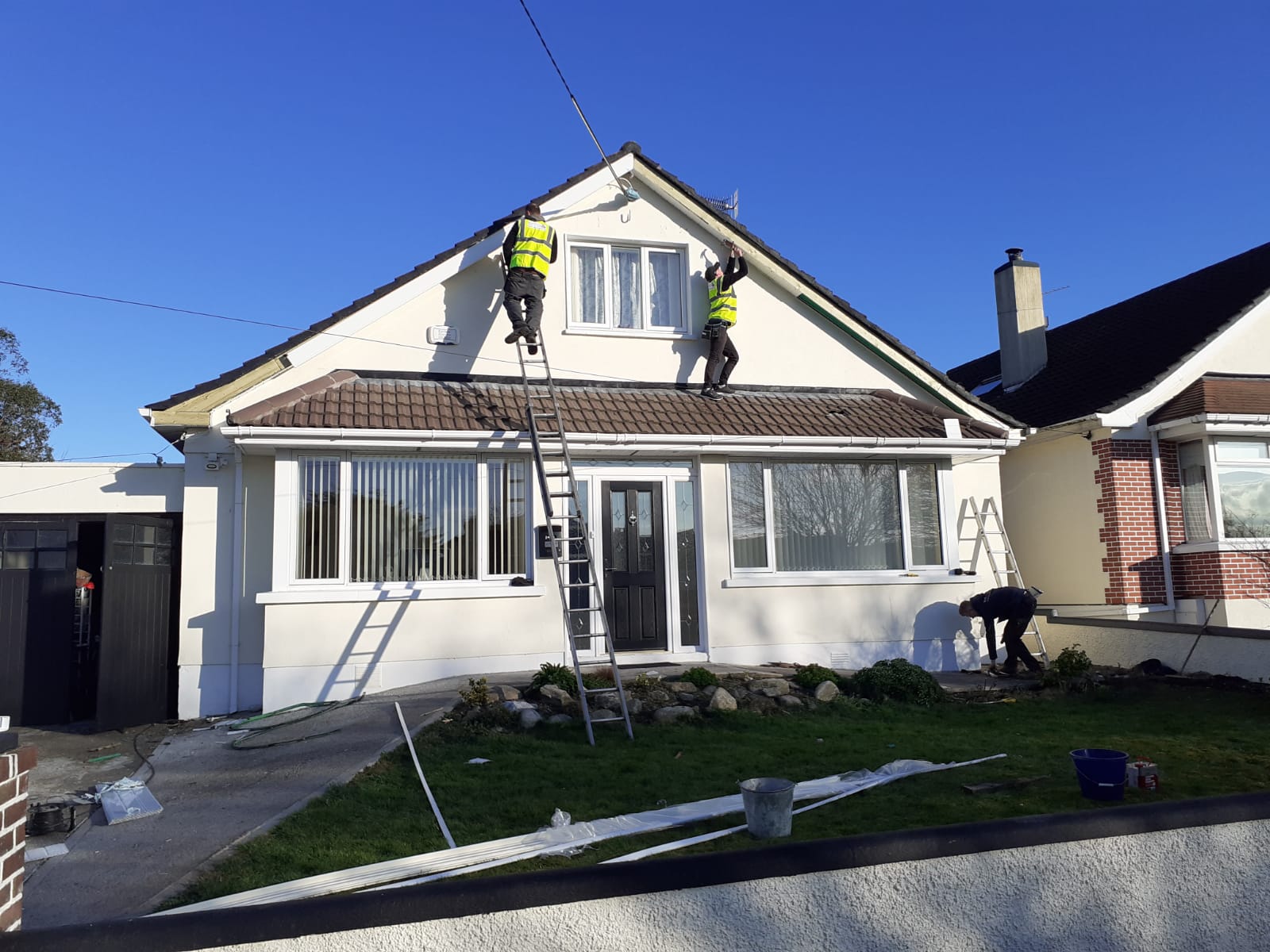
Before choosing your flat roof insulation system, understand the fundamental difference between warm deck and cold deck construction. Your choice affects performance, cost, and long term maintenance requirements.
Before You Start: Key Considerations
Check your existing roof structure first. Older Devon properties may have timber joists that require assessment before adding insulation weight. Calculate your budget including vapour barriers and ventilation requirements.
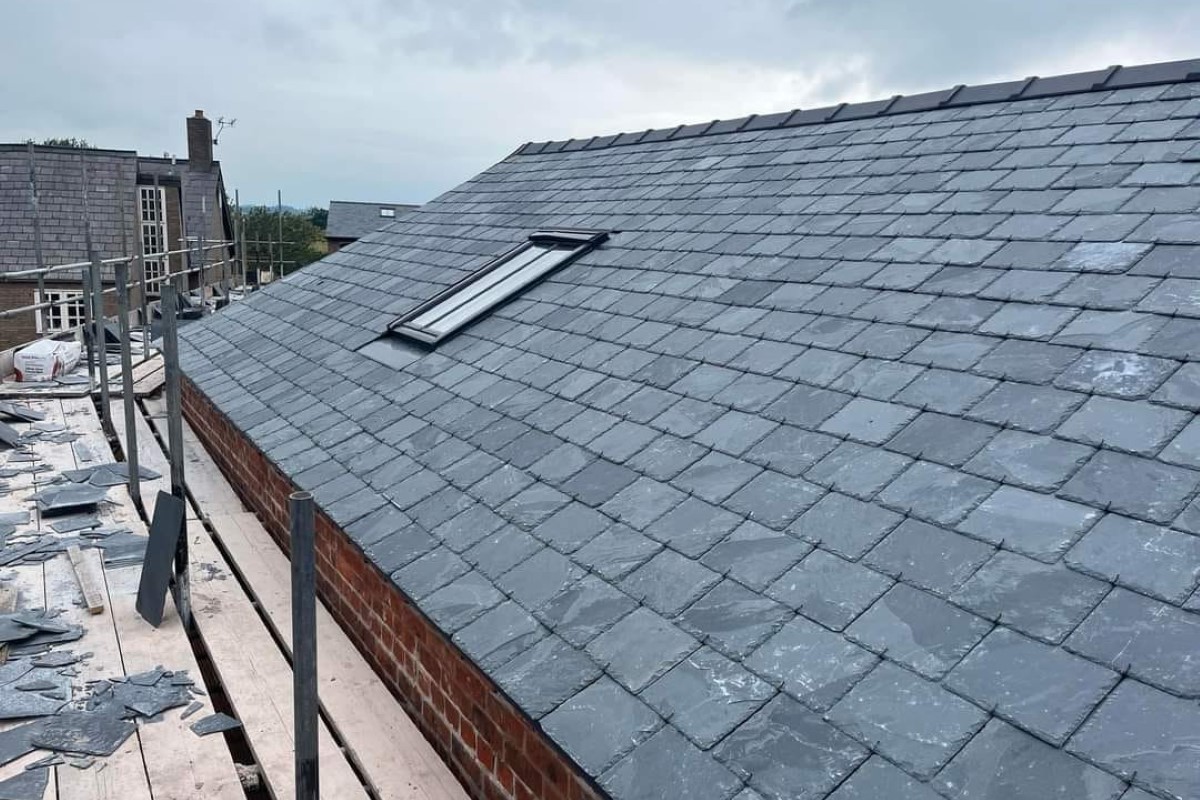
Consider your property’s use. Heated spaces like extensions need different insulation approaches compared to unheated garages or outbuildings.
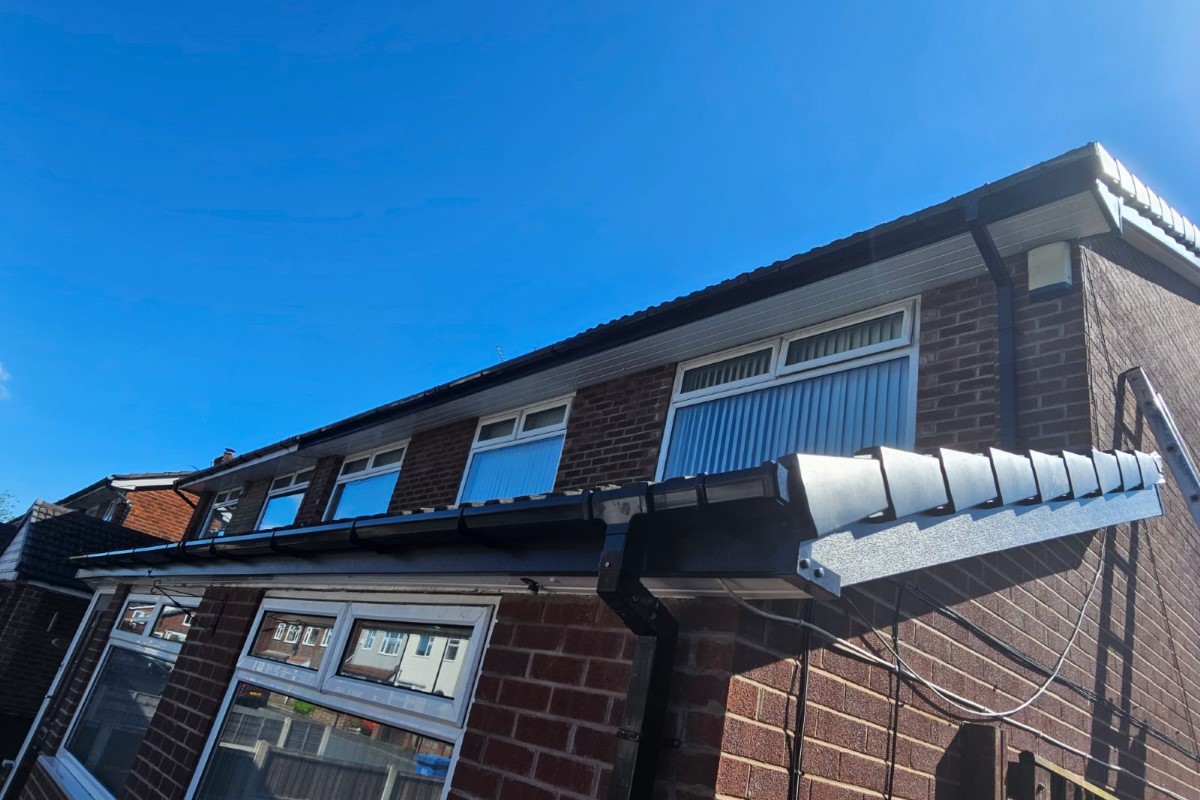
Warm Deck Insulation Explained
Warm deck systems place insulation above the structural deck. The roof structure stays warm, preventing condensation within the building fabric. Specialist roofing contractors recommend this approach for optimal thermal performance.
- Insulation sits on top of the structural deck
- Vapour control layer goes beneath the insulation
- No ventilation gaps required
- Structural timbers remain at room temperature
Installation requires lifting the existing roof covering. This adds cost but delivers superior thermal performance and eliminates condensation risks.
Cold Deck Insulation Method
Cold deck systems install insulation between or below the roof joists. The structural deck remains cold, requiring careful ventilation to prevent condensation.
- Insulation fits between ceiling joists
- Ventilation gap essential above insulation
- Vapour barrier goes on warm side
- Lower material costs but higher labour requirements
Devon’s wet climate makes proper ventilation critical. Inadequate airflow causes timber decay and insulation failure.
Questions for Your Contractor
Ask about ventilation calculations for cold deck systems. Request details on vapour barrier positioning and specify condensation warranties.
Confirm insulation thickness recommendations for your specific property type. Check whether existing roof covering can accommodate the chosen system without structural modifications.