
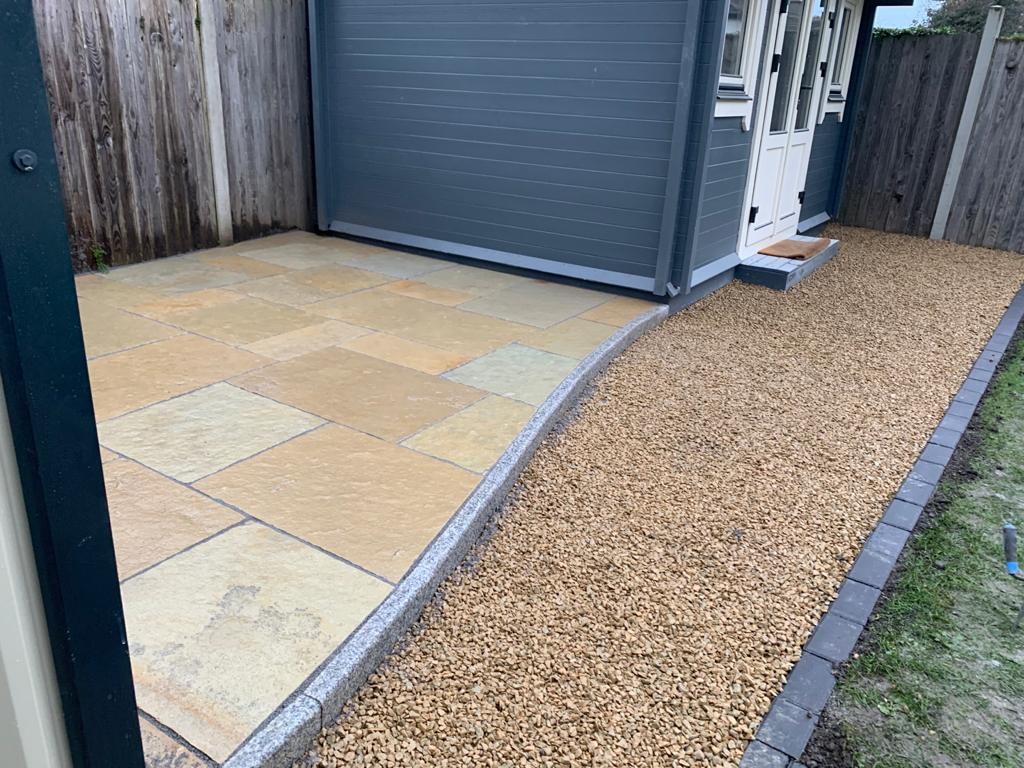
Self binding gravel creates a naturally compacted surface that stays firm underfoot and under vehicle wheels. Unlike loose gravel, this material contains fine clay particles that bind together when wet and compacted, forming a stable driveway surface.
The binding process occurs when moisture activates clay particles within the gravel mix. These particles act as a natural cement, holding larger stones in place. This creates a permeable surface that allows rainwater to drain through whilst maintaining structural integrity.
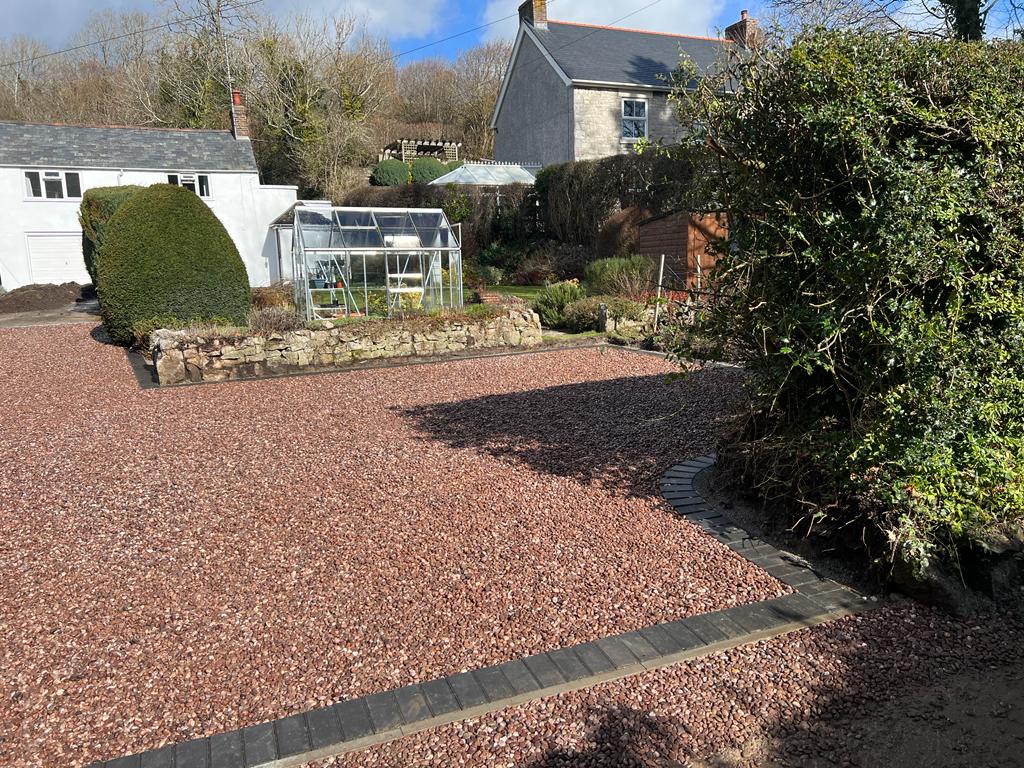
Types of Self Binding Gravel Available
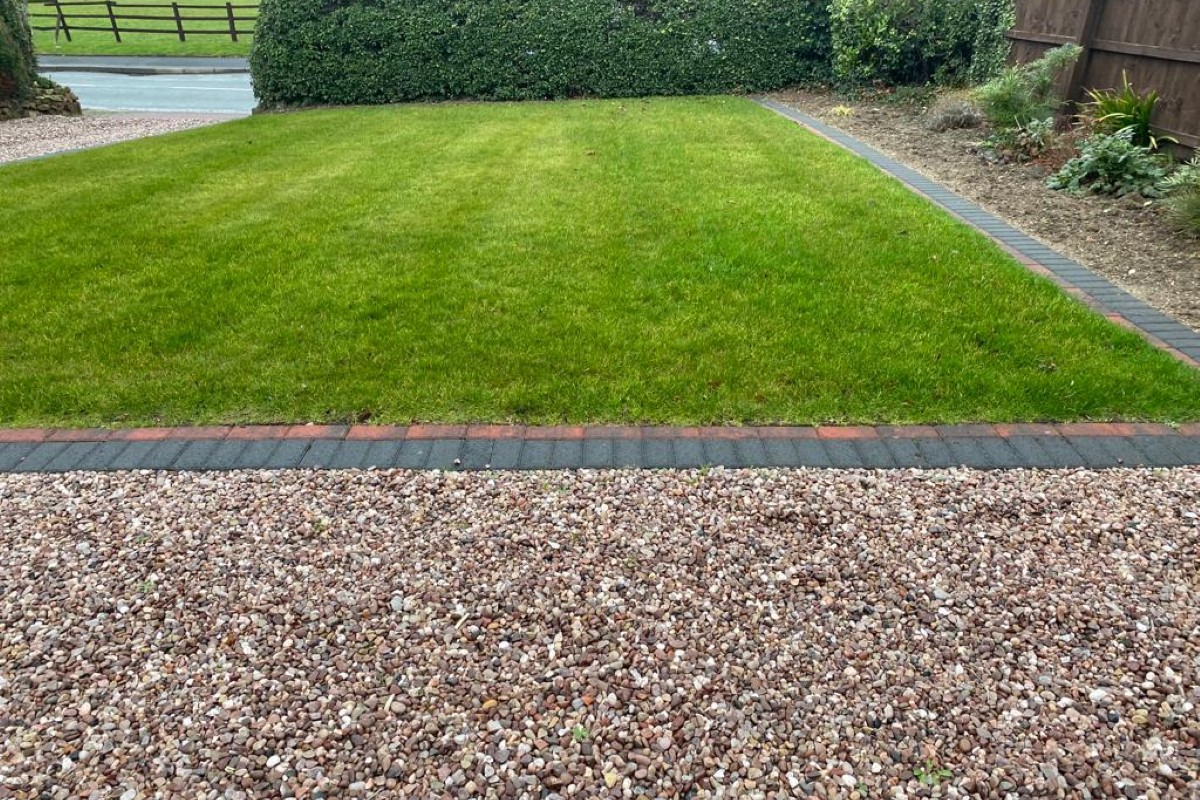
Self binding gravel comes in various types and colours to suit different aesthetic preferences. When choosing the right material, expert installation services ensure proper compaction and longevity of your driveway surface.
Hoggin represents the most traditional self binding option, combining graded aggregate with naturally occurring clay. This material has been used for centuries in British construction and provides excellent weather resistance.
Self binding gravel typically contains stone sizes ranging from dust particles up to 20mm. The precise blend varies by supplier, but effective mixes contain approximately 60% aggregate and 40% binding fines.
Installation Requirements
Proper installation begins with excavating existing materials to a depth of 100mm to 150mm. The subgrade requires thorough compaction before laying the self binding gravel in lifts of 50mm maximum thickness.
Each lift needs systematic compaction using a vibrating plate compactor or similar equipment. Water application during compaction activates the binding properties and ensures proper consolidation throughout the material.
Advantages and Limitations
- Creates a firm, stable surface without loose stones
- Naturally permeable for effective drainage
- Cost effective compared to tarmac or block paving
- Blends well with rural and traditional property styles
- Minimal ongoing maintenance requirements
Self binding gravel works best on level or gently sloping sites. Steep gradients may cause material migration during heavy rainfall, requiring additional retention measures or alternative surfacing solutions.
Maintenance Considerations
Annual raking helps maintain surface texture and appearance. Occasional topping up may be necessary in high traffic areas, particularly where turning movements occur frequently.
Weed growth typically remains minimal due to the compacted nature of the surface. Any vegetation that does establish can be easily removed by hand or treated with appropriate herbicides.